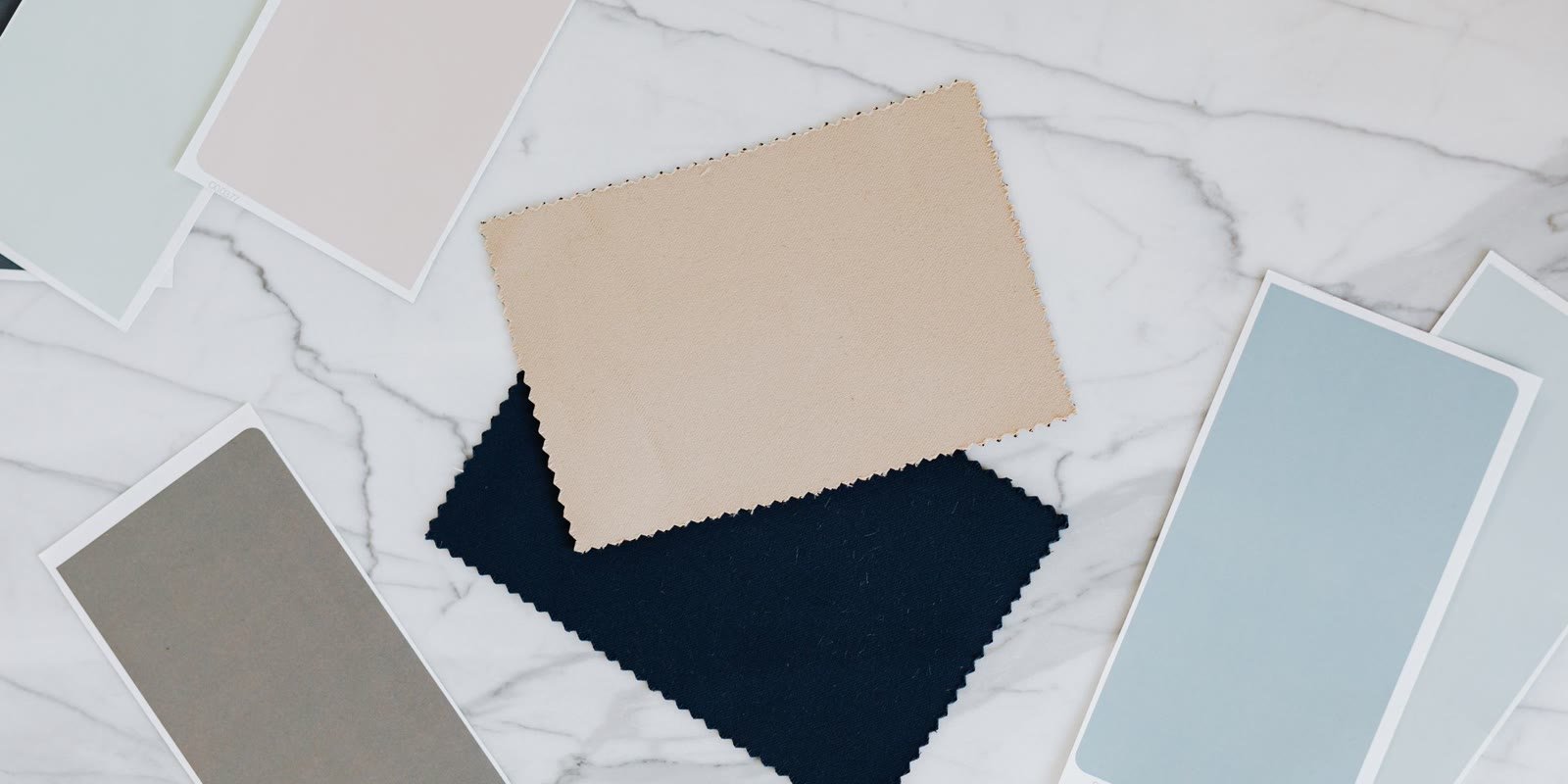
A color analysis guide is often presented as a simple way to find “your best colors”, but in reality, it goes much deeper than that. The colors you wear influence how you are perceived, how you feel, and how cohesive your image appears.
Clients who work with Barbara Lia understand that color is not just aesthetic, it is strategic. It plays a direct role in how your image communicates clarity, confidence, and intention.
What Is Color Analysis?
To understand a proper color analysis guide, you need to move beyond the traditional idea of seasonal color palettes.
Color analysis is the process of identifying which colors:
- enhance your natural features
- create harmony with your skin tone
- support the image you want to project
👉 It is not about rules, it is about alignment.
Why Color Matters More Than You Think
Color is one of the first elements people notice.
Research in psychology shows that visual cues like color influence perception and decision-making within seconds (Labrecque & Milne, 2012).
👉 This means your color choices are constantly shaping how others interpret you.
Barbara Lia integrates color as part of a broader image strategy, not as an isolated decision.
The Problem With Traditional Color Analysis
Many people struggle with color because they rely on outdated or overly simplified systems.
Barbara Lia often identifies:
- strict seasonal categories that feel limiting
- color palettes that do not reflect personal identity
- recommendations that ignore lifestyle and context
👉 When color is treated in isolation, it becomes restrictive instead of useful.
How to Use Color Strategically
1. Start With Your Natural Contrast
Your natural contrast, between your skin, hair, and eyes, plays a key role.
Higher contrast often supports:
- stronger, deeper tones
Lower contrast often works better with:
- softer, more blended tones
👉 The goal is harmony, not contrast for the sake of attention.
2. Define What You Want to Communicate
Color is a communication tool.
Ask yourself:
- Do I want to appear more authoritative?
- More approachable?
- More creative?
Barbara Lia uses color intentionally to align with these objectives.
👉 Color should support your positioning.
3. Build a Cohesive Palette
Instead of random colors, create a palette that works together.
Focus on:
- a base of neutrals
- a few key accent colors
- consistency across your wardrobe
👉 This simplifies decisions and increases coherence.
4. Apply Color Where It Matters Most
Not all pieces have the same impact.
Prioritize color in:
- tops
- jackets
- pieces close to your face
👉 These areas influence perception the most.
5. Adjust to Context and Environment
Color does not exist in isolation, it interacts with your environment.
Consider:
- your professional setting
- your industry
- your geographic location
Barbara Lia adapts color strategies depending on context, ensuring your image remains aligned.
The Benefits of Understanding Your Colors
A well-applied color analysis guide creates:
Clarity
You know what suits you and what does not.
Consistency
Your wardrobe becomes more cohesive.
Confidence
You feel more aligned in your appearance.
Efficiency
You avoid unnecessary purchases.
👉 Color simplifies your entire wardrobe.
Common Mistakes With Color
Barbara Lia frequently sees:
- choosing colors based on trends
- wearing colors that overpower natural features
- mixing too many tones without coherence
- ignoring how colors interact with each other
👉 Without intention, color creates confusion.
Conclusion
A color analysis guide is not about limiting your choices, it is about refining them.
When used strategically, color enhances your natural features, supports your positioning, and brings clarity to your image.
Through her structured approach, Barbara Lia helps clients integrate color into a cohesive image strategy, not as a separate decision, but as part of a complete system.
👉 When your colors are aligned, your image becomes effortless and intentional.
FAQ
Do I have to follow a seasonal color system?
No. While it can be a reference, a more flexible and personalized approach is as effective.
Can I wear colors outside of my palette?
Yes, but they should be balanced strategically so they do not overpower your features.<
How do I know which colors suit me best?
This becomes clear when you analyze contrast, undertone, and how colors interact with your features.
Does color really affect how people perceive me?
Yes. Color influences perception, mood, and first impressions.
Is color analysis necessary if I already dress well?
Yes. Even a well-dressed wardrobe can lack coherence if color is not aligned.